The girl who refused to stop living
Two generations of sculptors. One diagnosis that arrived in a single night. And a family who decided that freedom was worth fighting for.
Two makers, one life
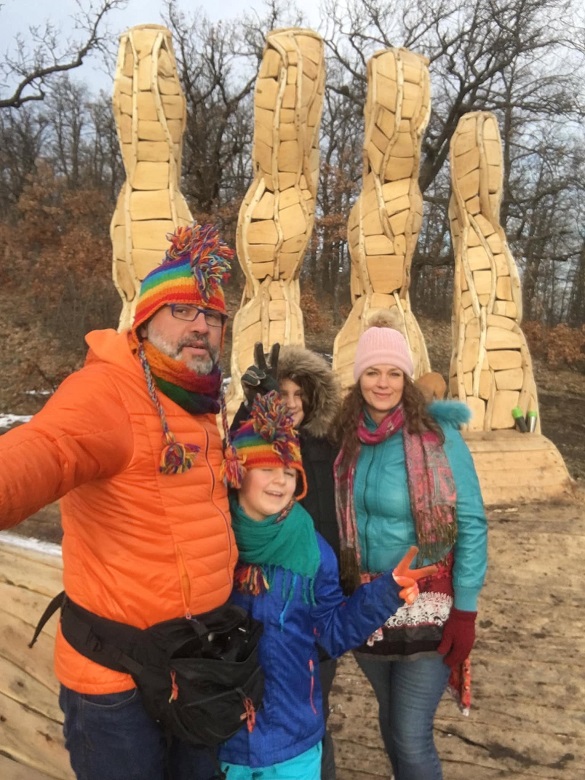
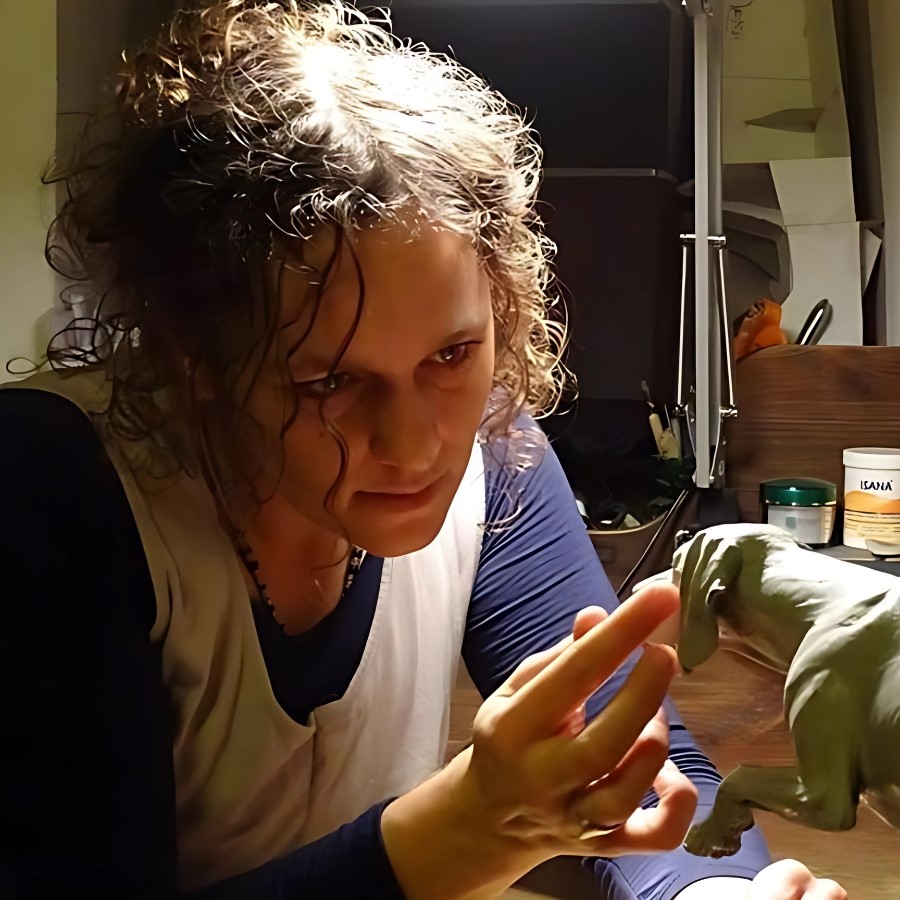
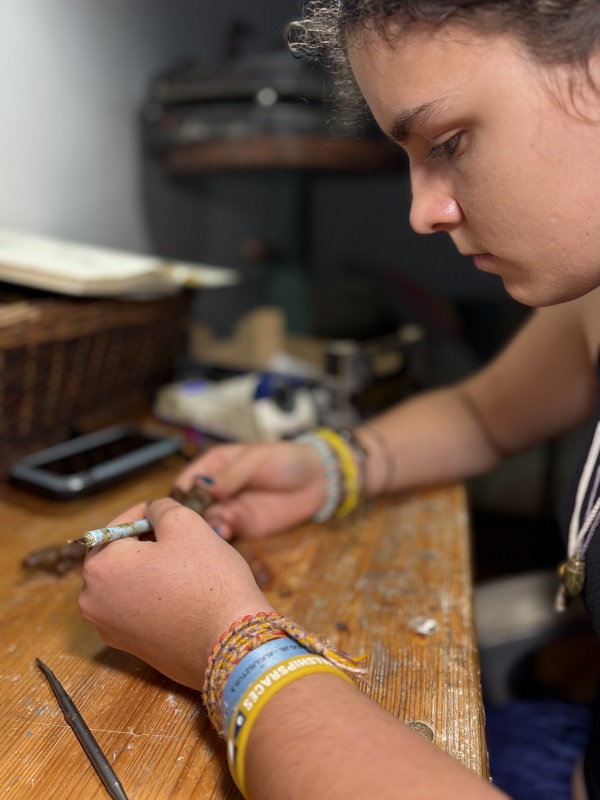
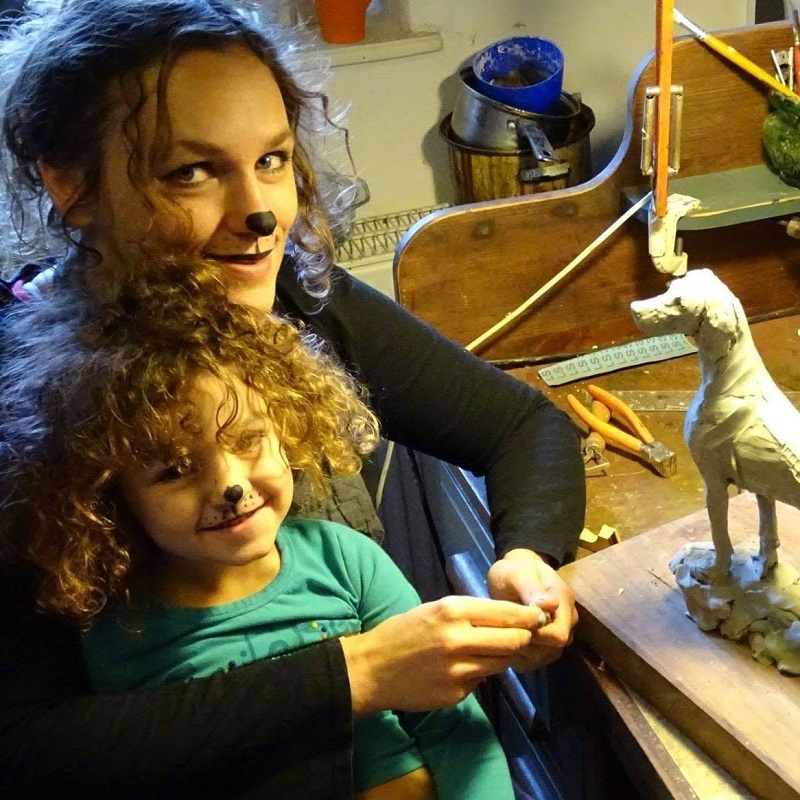
Twenty-five years ago, two young sculptors met. For three years they only spoke on the phone — until she brought her work to his workshop, and he knew he wanted to spend his life beside her. That was twenty-one years ago.
Since then: a marriage, two children, hundreds of bronzes across five continents, and a shared studio where art and family are the same thing. Our children grew up among clay and wax and molten metal. We never pushed them toward art — we simply watched them bloom, like two small buds.
“We never wanted to raise them into art. We only hoped they’d choose it themselves.” — Panka’s parents
From a single night to a full life
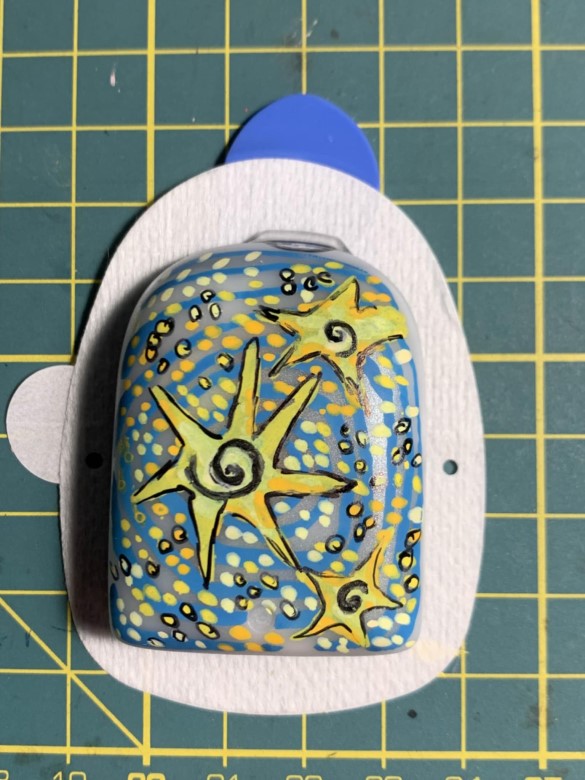
In the summer of 2024, Panka came home from camp. By nightfall, an ambulance was carrying her to the capital. The words we heard there divided her life into a before and an after: type 1 diabetes.
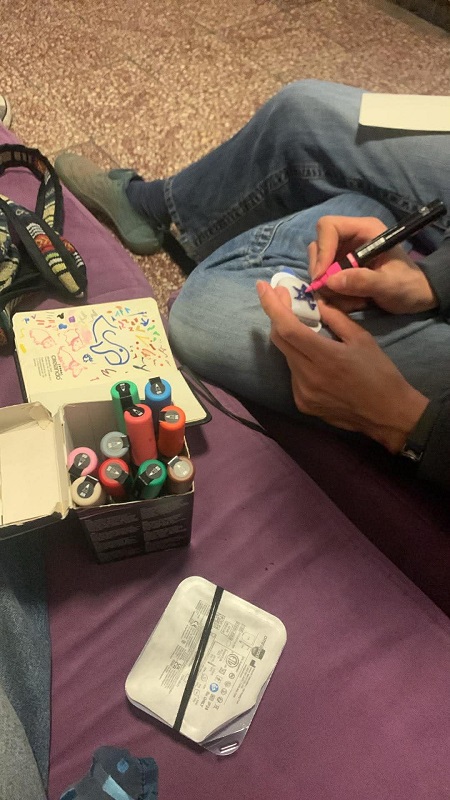
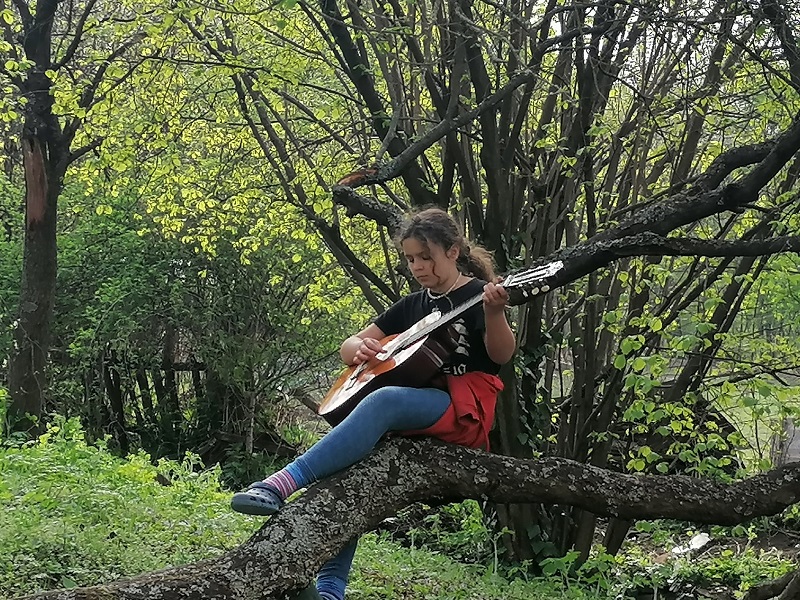
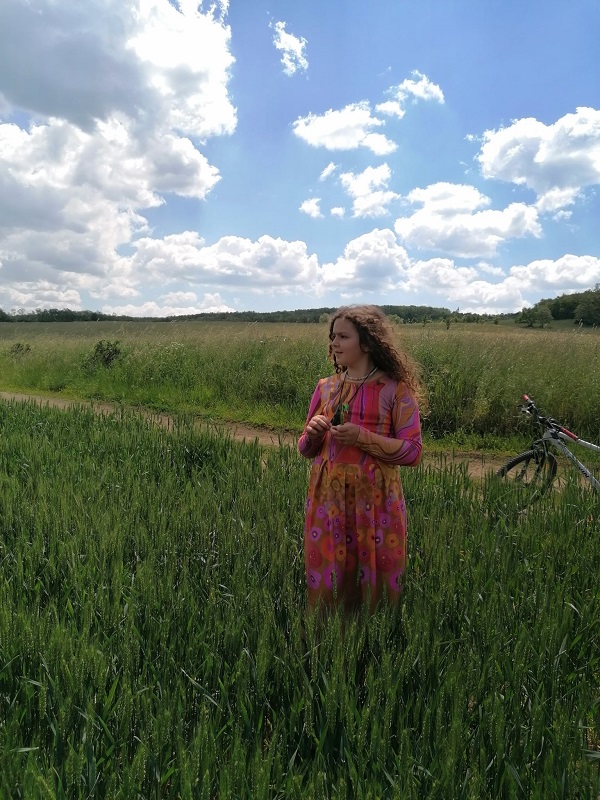
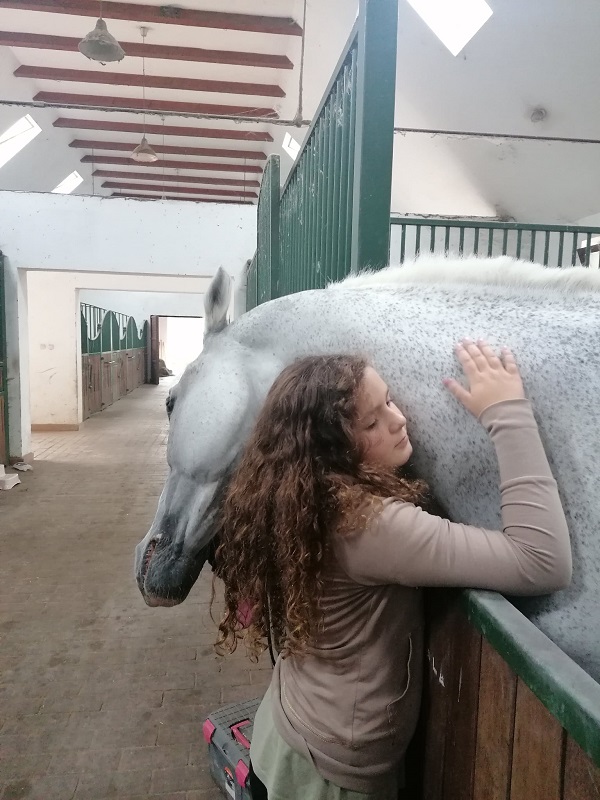
For half a year it meant six finger-pricks a day and insulin injections — at nine in the evening, at eleven, at three in the morning, at seven. Her skin was full of tiny stings. She grieved quietly for the free life she loved most: horses, diving, climbing rock faces. A thirteen-year-old, mourning her own freedom.
A choice for freedom
We couldn’t accept a childhood measured out in needles and broken sleep. So we brought in a modern American sensor-and-pump system — not because it was easy or cheap, but because it gives her back the one thing that matters most: her freedom.
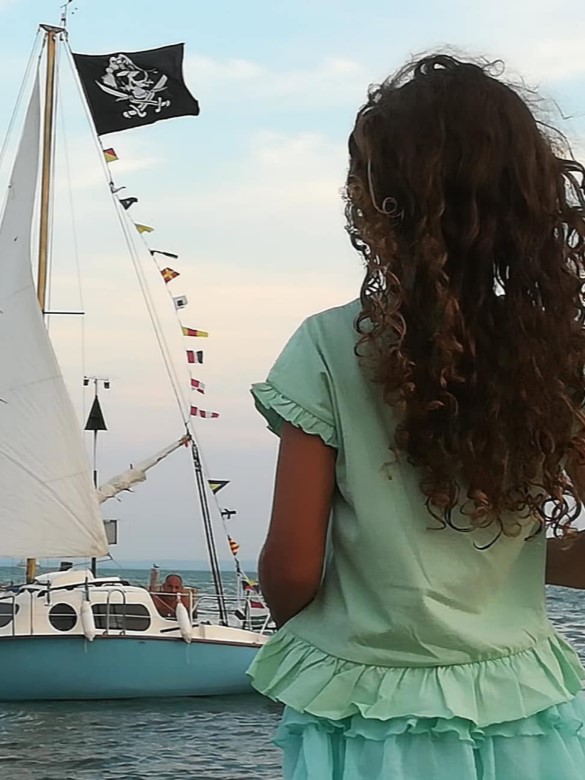
Now her parents can follow her glucose on their phones, day and night, and adjust her insulin remotely if she needs it — even from the other side of the country. She no longer has to wake herself three times a night. She can go back to being fifteen.
From a single night to a full life
Six dates, and everything between them. This is the short version of fifteen years
355 kilometres, for a dream
After the diagnosis, we rethought everything. The children told us themselves that they wanted to go to art school. So we moved 355 kilometres, to the city where their mother once studied.
Every Friday, before the move, their father drove them there and back to prepare for the entrance exams — 355 kilometres each way, just to let them draw. Then we sold our old house, and exactly one year ago, on the first day of school, they slept for the first time in the new home: two studios, a foundry, a room for carving stone. Today they are happy — full of friends, of work, of first love.
Life with type 1 diabetes
Three people, one shared everyday reality
Two generations, one studio
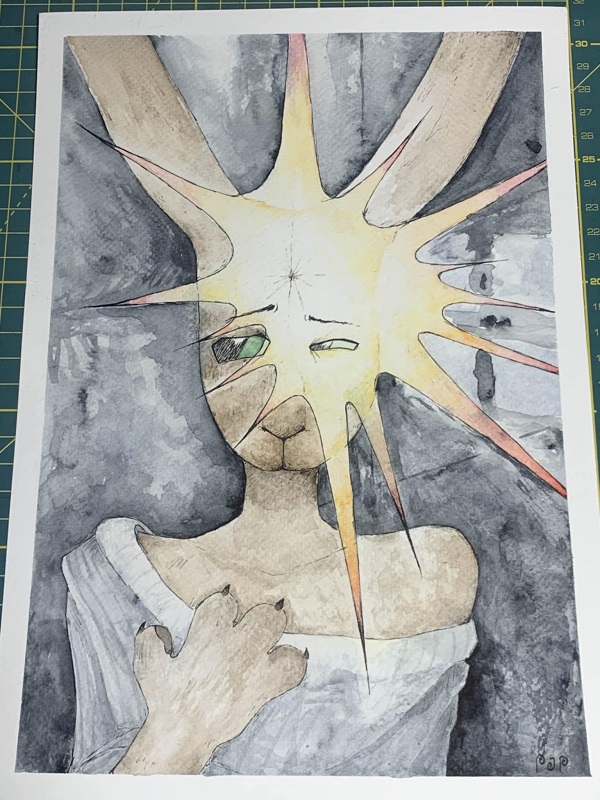
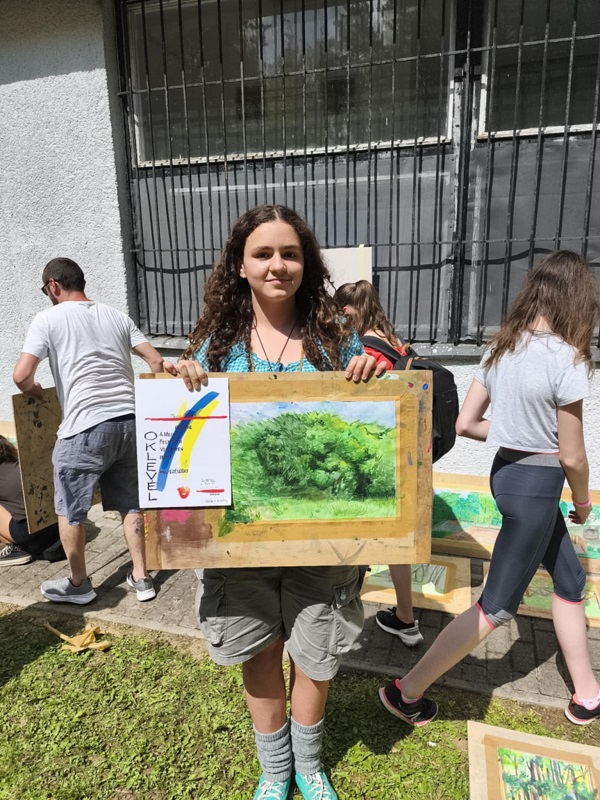
Panka grew up in the studio, and over the years a quiet collection has gathered — drawings, paintings, small sculptures. Beside her work stand two generations of bronze
Join us in her fight
Panka’s freedom runs on a system that has to be paid for again every month. A small, steady gift keeps it running — and keeps her swimming, climbing, and sleeping through the night